Grow Sales Faster: Why Teams That Test Early Get Lucky
Picture two teams who want the same thing this quarter: a fuller pipeline and revenue that grows fast. On Monday they get the same brief: a new offer, a new message, a new way to reach buyers.
Team one says: great, give us six weeks, we'll come back with a concept. Team two says: sure, here's a rough first draft, let's put it in front of buyers on Thursday.
Six weeks later, team two has already killed three bad ideas and kept one that works. Team one is still polishing slides that are already going stale. And from the outside, team two just looks lucky.
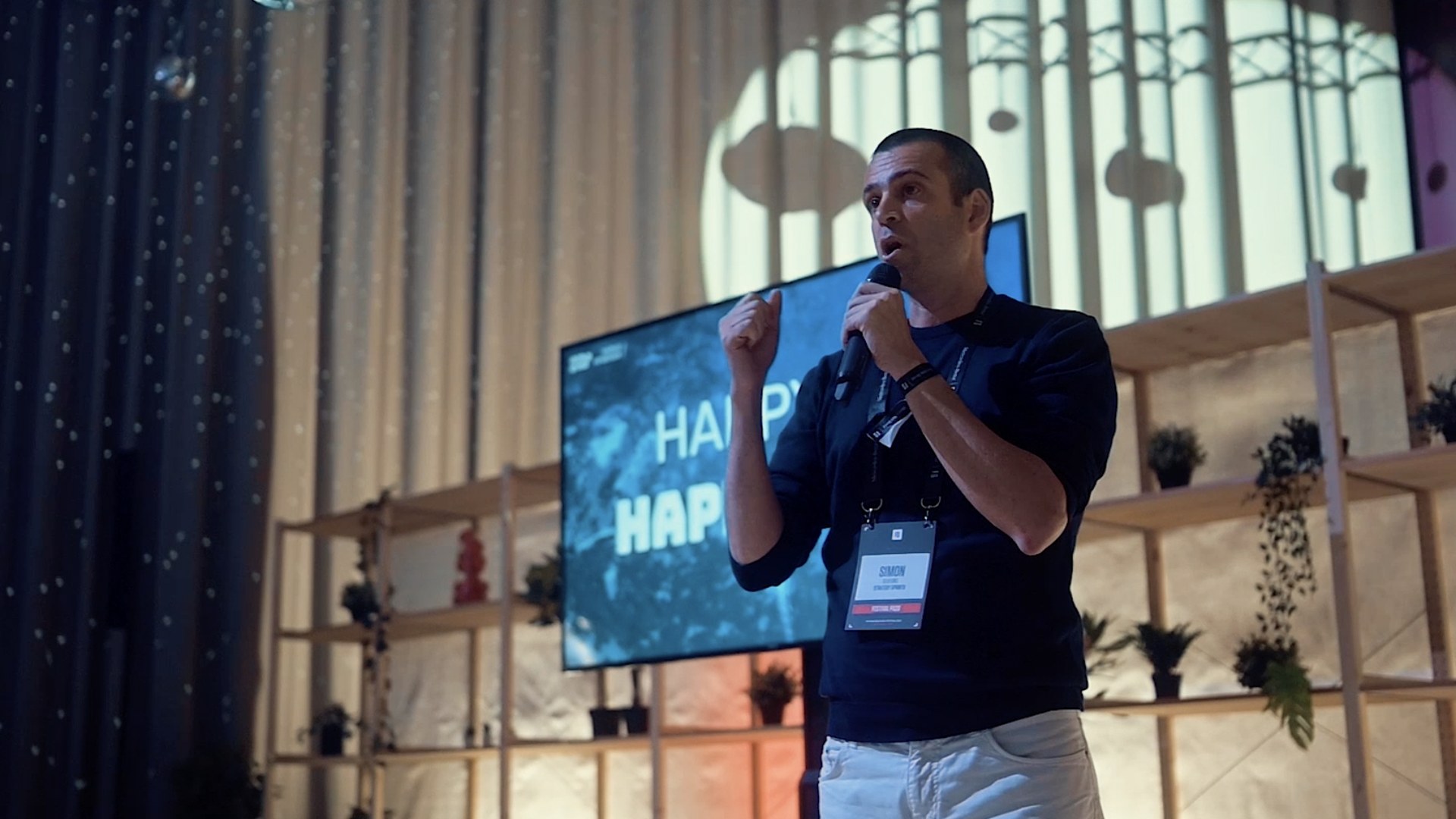
I talked this through with Ashutosh Garg on The Brand Called You (August 2024). Listen to the full conversation: Unlocking Sales Mastery on The Brand Called You
Luck in sales has a pattern
Ashutosh asked me about return on luck. It started with a simple curiosity of mine: everybody is working hard, so why do some teams get lucky and others don't? Is there a behavioral difference?
There is. On the show I pointed to academic work coming out of universities in Germany. The pattern: the lucky teams make the work smaller and test it early.
The six-weeks-for-a-concept team? "Those teams get less lucky." The here's-a-first-draft team wins, because they expose themselves to more learning. "Instead of being perfectionists, they quickly draft something, they test it quickly."
🐬 Most ideas die. That's the point. You find the one that works sooner, and you didn't burn months or budget on the ones that didn't.
Fail fast is the safe option
This is the part founders push back on. Going for failure sounds reckless when you have a target to hit.
It's the opposite. Paradoxically, it's safer to fail fast. You invalidate a wrong assumption so quickly that there's no time to waste money on it. You stop, you take the next route, you try again.
The slow path feels careful. In reality it hides the risk until it's expensive: one big bet, one big reveal, and a quarter gone if the buyer shrugs.
Why most sales teams stay unlucky
When we map what a sales team is actually doing, the first problem is almost always the same. Too many activities, and they don't build on each other.
So we check every activity against three questions. Does it push the win rate up? Does it push pricing power up? Does it push sales velocity up? Usually half the activities don't qualify. That half creates a lot of stress and a lot of motion, but not progress.
The second problem is feedback. Think of basketball with your friends. You shoot, and you hear right away if it went in. Your friends tell you right away too. "You don't wait for it three weeks for a CRM report about your results." That immediate loop is what puts a team into flow.
Most sales teams play the opposite game: unclear goal, unclear roles, and a scoreboard they see once a quarter. Nobody can be lucky in a game where you never see the score.
The Friday scoreboard
Here's how we bring the basketball court into a company. One clear goal. Clear roles. The week gets set on Monday (we call it Monday Strategy) and scored on Friday (Friday Learnings), with three numbers.
"One marketing number, one sales number, one ops number every Friday." The current line in blue, the target line in red. Looking at those two lines takes about ten minutes, and it tells you if you're going in the right direction at the right pace.
🐯 Then the question gets simple. Where are we winning? Do more of that. Where are we not winning? Do less of that. Every week the team runs a small experiment, and every Friday the experiment gets a verdict.
That's what control of the sales conversation looks like at the level of the week. You don't hope a quiet quarter turns around. You see the line on Friday, and on Monday you already know the next move.
Test the message, never the price
Run experiments long enough and one idea starts to look tempting: when the line dips on a Friday, cut the price and see what happens. That's the one experiment I would not run. Ashutosh asked how to balance short-term targets with long-term growth, and my answer was pricing and sales velocity, never a discount.
Look at Apple and Hermès. They never give a discount, and their users are happy to pay a premium because they get something valuable that lasts. A discount tastes sweet for a week. So "just never discount anything." Set a proper price, make sure what you deliver is worth ten times that to the buyer, and you get short-term cash flow and long-term brand trust at the same time.
So test the opener, the offer framing, the channel, the questions on the call. Keep the price where it belongs.
Start this week
Four steps. If you only do one today, do the first.
- List every sales and marketing activity running right now. All of them, on one page.
- Check each one against three questions: win rate, pricing power, sales velocity. Pause what fails all three.
- Pick one experiment for this week. A rough first draft, in front of real buyers by Thursday.
- Put three numbers on a Friday scoreboard. One marketing, one sales, one ops. Ten minutes, every Friday.
🌴 Picture a Friday four weeks from now: four experiments run, three killed without drama, one working, and the scoreboard showing it in black and white. The team knows what to do on Monday, and you get your weekend back. That's Sprintlife: control in sales, plus the time freedom it buys you.
Listen to the full conversation with Ashutosh Garg: Unlocking Sales Mastery on The Brand Called You
You don't have to build this alone. Grab the free tools and join the founders working on the same thing in the Sprint Club: https://www.strategysprints.com
Ready to accelerate now? Book a Discovery Call: https://calendly.com/strategysprint/discovery-call
Happy hunting.
Simon & The Sprinters 🐬⚡️🐆
Lead your next deal, first call to signature. 🌴
The 36 Sales Gaps Checklist: 36 places a deal dies, and the fix for each. Free, one page.
Free. You get the checklist, then more sales tools like it by email from Strategy Sprints. Leave in one click, any time.