How Do I Hire My First Salesperson as a Founder?
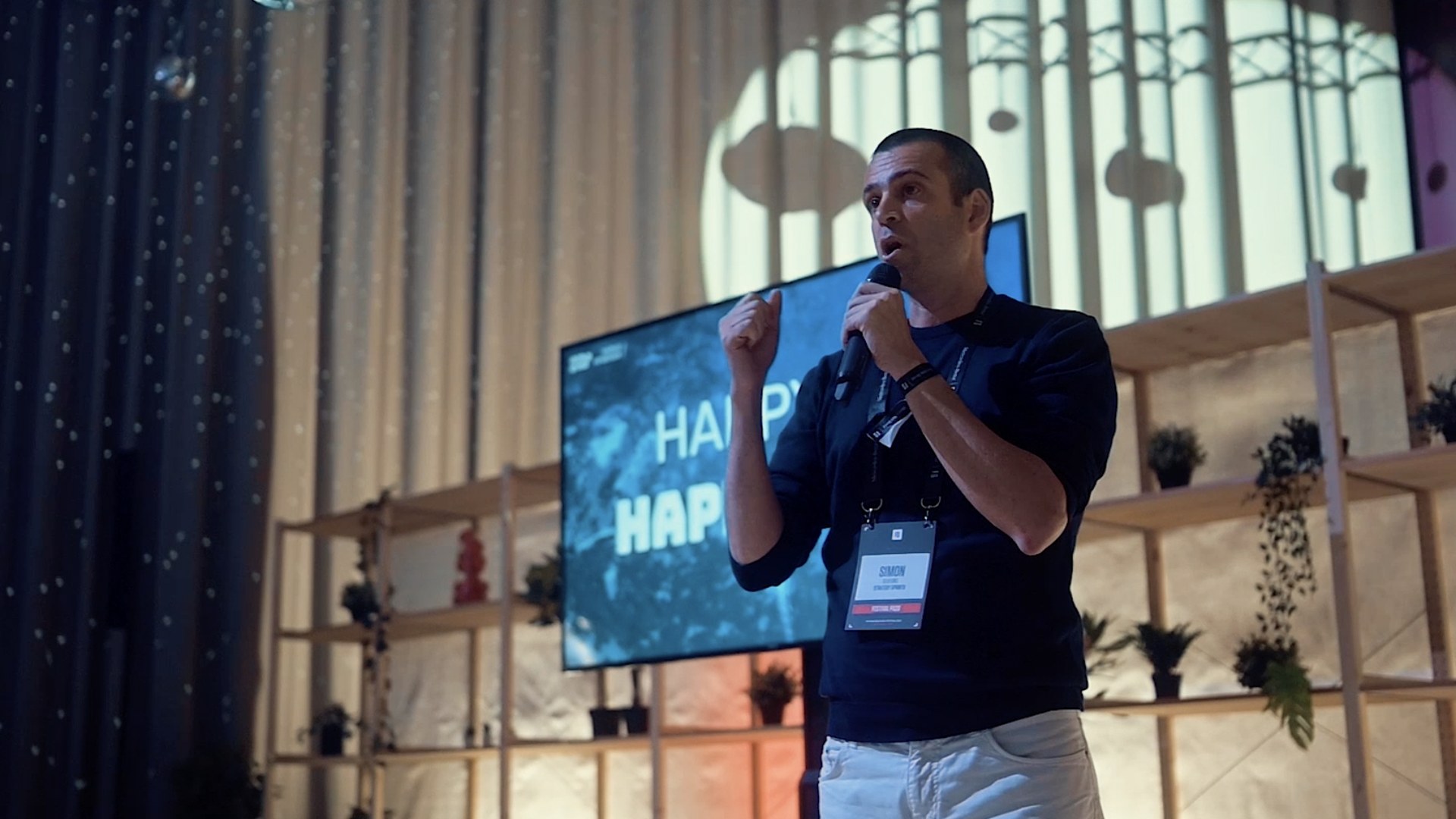
By Simon Severino, founder of Strategy Sprints, where 2,400+ B2B founders have gone through our programs. Updated November 2026.
Hire your first salesperson after you've written the sale down, built a lead supply that doesn't need your calendar, and agreed what you'll score each week. Then hire a hands-on seller, test them with a live role play, and stay out of their calls. The hire is the last step, not the first. 🐬
The week your first seller starts is the week you find out how much of the sale lives in your head. What you're really handing over is control of the sales conversation: who talks, which question comes next, when the price comes. Do it in this order and you stop being the only closer. Your evenings come back, and deals close at your price with you off the call.
When are you ready to hire your first salesperson?
A popular rule says hire after you've closed 10 big deals or 100 small ones. That count tells you the product sells. It doesn't tell you the sale can leave your head.
Use three checks instead:
- Can someone else read your sale? If it's instinct, your hire gets a slide deck and a shrug.
- Who would they call on Monday? If every lead comes from your network and your calendar, they start with an empty list.
- What will you score on Friday? "Close deals" isn't something a new hire can practice in week two.
Three yeses and you're ready. Any no is this month's work.
What happens if you hire before you're ready?
Here's an illustrative case (Marco is a made-up name, the story is common). Marco closes every deal personally and hires a strong account executive. Day one: laptop, CRM login, "shadow me for a bit". Week six: proposals out, silence back. Month four: the big deals are on Marco's desk again. Month six: the hire leaves, the job post goes back up, and the next person gets the same stale deck.
Add up that story for your own company: six months of salary, the deals that stalled, your nights back at the laptop, and the next hire's clock starting from zero. Chew on that number before the post goes live. It's the price of skipping the setup.
The seller in that story wasn't the problem. We wrote about that here: why new sales hires fail in small B2B companies.
How do you write the sale down before they start?
As questions, not slides. A hire can't run your instinct, but they can run a question.
We use the 8 Steps of the Repeatable Sale: 1 Visualize, 2 Frustration, 3 Importance, 4 Cost of Inaction, 5 Deliverables, 6 Investment, 7 Starting Date, 8 Statement of Work.
Record your next three sales calls. Pull out the exact words you use at each step, plus the exact words buyers use for their problem. Put it on one page. That page is your sales process, and it's the first thing your hire reads. It's built on the same 8 Steps we've practiced with the 2,400+ founders in our programs. 🐯
How do you give a new sales hire enough leads to call?
Build the supply before their start date, and do the math with your own numbers.
An illustrative version: you want your hire having 10 real conversations a week. If one in five people you write to replies, that's 50 well-chosen names a week. Now you know the size of the job.
Then fill that list from three places:
- Buying moments: founders hiring, raising or adding a sales leader, reached the week it happens.
- Your own clients: referral asks and intros you've been meaning to make.
- Your list and events: people who already raised a hand.
The hire should open a named list on day one, with a reason next to each name. Here's how to run that supply without your hours: more B2B leads when you have no time for marketing.
Should your first sales hire be a VP or a hands-on seller?
A hands-on seller. A VP needs a machine to manage, and you're still building the machine.
Look for someone who:
- has closed deals themselves, at a deal size close to yours
- has started their own conversations, without waiting for marketing to hand them leads
- tracks their own numbers and can show you
- has worked with a coach or asks for one
That last one matters more than the logo on their CV. You're hiring someone who gets better when an outside eye corrects them. And pick the way you'd pick a client: someone you'd love to work with, because you'll spend every Friday together.
Say it in the post: "You'll run a written process. Every Friday we score your calls together." The right person leans in. The wrong person skips it, which saves you both months.
How do you interview a salesperson without getting sold?
Salespeople interview well. So stop talking about selling and watch them do it. 🌴
Test 1: the live role play. Send your one-page process a day ahead. Then play a buyer on a real scenario and say: "Sounds good. Just send me a proposal." Do they send one, or do they ask what happens if nothing changes?
Test 2: the feedback round. Give one specific note ("you named the price before I'd said what this costs me") and run the scene again. A seller who changes on the second run is coachable. That second run tells you more than the whole CV.
Test 3: the lost deal. Ask them to walk you through their last lost deal, and at which point they lost control of the conversation. Listen for "I" rather than "the buyer" or "the market".
Score all three on paper, the same way for each candidate.
What should the first weeks look like?
- Day one: the one page and the named list. Skip the 50-page playbook.
- Week one: they listen to two of your calls and score you against the 8 Steps.
- Week two: they lead two calls while you stay quiet and take notes.
- Every week after: Monday Strategy to set the week, Friday Learnings to score it.
Hold back when a call wobbles. Each rescue teaches them that you are the real process.
Then it comes, the first call they lead on their own. The buyer says their own number out loud and agrees to a start date, and you hear about it on Friday, from the scorecard. That's the hire who stays, and that's your first real week off.
What's your one move this week?
Run the three checks at the top of this article and pick the first no. If your hire starts soon, record your next call today and start the one page tonight.
You don't have to do this week alone. In our Sales Gym you work on it next to other founders, with spotters who push you through your current sales wall. If you want it installed, the 90-Day Sales Acceleration builds the process, the lead supply and the weekly rhythm with you.
FAQ
When should a founder stop selling completely? Later than you think, and gradually. Keep a few calls each month so you still hear buyers directly. Hand over deals step by step as your hire's scorecard shows they can run them.
Should I hire one salesperson or two at once? Pick by what you can coach. Two gives you a comparison, and one gets your full attention. If the process is still fresh, start with one and score every call.
How should I pay my first salesperson? A fair base plus commission on closed deals. In the first weeks, also reward what they control: conversations started and calls scored against the steps.
Can a fractional sales leader replace my first hire? They can build structure, and they won't make the calls every day. We compared the options here: sales coaching vs a fractional sales leader.
What's the biggest mistake with a first sales hire? Hiring the person before building what you hand them.
Want the tools and AI skills we use, with a community of founders doing the same work? Join Sprint Club, 7 days free: https://www.strategysprints.com
Ready to accelerate now? Book a Discovery Call: https://calendly.com/strategysprint/discovery-call
Happy hunting.
Simon & The Sprinters 🐬⚡️🐆
Lead your next deal, first call to signature. 🌴
The 36 Sales Gaps Checklist: 36 places a deal dies, and the fix for each. Free, one page.
Free. You get the checklist, then more sales tools like it by email from Strategy Sprints. Leave in one click, any time.