High-Ticket Sales Process: Close in 2 Calls Without a Demo
Third call. The buyer likes it and wants to run it by a partner first. Then the thread goes quiet. No reply, no ping, just silence. You send a nice check-in. Then another one.
Buyers right now take more meetings, bring more people in and think longer before they spend. So most founders add more: another deck, another demo, another follow-up call. Every extra meeting costs you time and energy, and the deal still goes stale.
In 2025, a high-ticket deal often took four to five calls to close. The fix is fewer meetings, run in the right order. Two calls. No pitch. No demo.
I talked this through with David Jenyns on the Business Processes Simplified Podcast (October 2026). Listen to the full conversation: A High Ticket Sales Process with Simon Severino
Why the demo is losing you deals
In our method there's one rule on every call: "You are not allowed to pitch." No presentation. No "can I share my screen?" No feature tour. The demo is where the seller takes over the airtime and the buyer goes quiet in their head.
A high-ticket buyer doesn't need to see how it works. They need to feel that you understand where they are, and that you know the way to where they want to be. You can't show that with slides. You show it by listening better than anyone else they've talked to this month. While the other vendors share their screens, you're the one they remember.
🐬 So the second call is still called the demo call. There just is no demo.
Start with what they want, then name what they need
"You always start talking on what they want, but then you have to transition to what they need, otherwise you're not an expert."
Founders get nervous here. Isn't it risky to tell a prospect they need something else? It's the opposite. If you only repeat what they want, you're one more vendor. If you know the gap between want and need and you say it out loud, your authority goes up. The buyer thinks: he has a clue, he isn't afraid of losing me, and he has a plan.
That's control of the sales conversation, and it needs zero pressure.
Call one: steps 1 to 3, on a whiteboard
The first call is 30 minutes and covers the first three of the 8 Steps of the Repeatable Sale.
Step 1, Visualize. Open a whiteboard, a sheet of paper or a Google Doc on half your screen. Write down their exact words. They say "I want more leads." You write "more leads" and ask what "more" means and what "leads" means. "Do not assume you know what they mean when they say leads." After five minutes of this, you can see their shoulders drop. They feel heard, because they are.
Step 2, Frustration. What's keeping you from solving it? What have you tried? Wait until the frustration is real, the one they feel in their body. Wanting more leads is not it yet. Hating the hours spent pasting LinkedIn URLs into emails by hand is.
Step 3, Importance. From one to ten, in the context of everything else going on, how important is this? "If it's below eight, we shouldn't start." Sometimes they change their number right there. Good. Now you book the second call: 45 minutes, a date on the calendar before you hang up.
Between the calls: send the document
Before call two, email a short statement of work they could sign right now. Two pages. Three deliverables, written in their words from your whiteboard. One number. The legal text sits in the back.
No surprises, and no bitter taste of fine print, because every line is something they already said. 🐯
Call two: steps 4 to 8, and nobody pitches
Open by checking the whiteboard: last time you said this was the frustration and this was the importance. Still true? If three people decide, every one of them needs to go through these steps. You can't bring in the CFO at the end and expect them to be aligned.
Step 4, Cost of Inaction. What happens if you do nothing? What else are you looking at? What are your decision criteria: speed, safety, quality?
Step 5, Deliverables. "These are the three things that you wanna achieve, right?" Wait for the yes. It's their words, so it comes easily.
Step 6, Investment. Time first, then team, then money. "There is an investment of time and there is an investment of money." If they ask for the price at step two, you don't dodge, you explain: "before step six, I cannot professionally make you a good offer because I don't know enough to make a good offer." Then ask permission for one more question.
Step 7, Starting Date. One last question: when would you like to start?
Step 8, Statement of Work. They already have it. They sign it or they don't, on that call.
Objections still come. That's fine. "If you have three to four objections, that's a good conversation." It feels like two people working something out, not a seller defending a price.
Big tickets: shrink the first decision
Around $12,000 is the line. Below it, people buy from a website. Above it, nobody sends that money without a conversation.
When the ticket gets very big, cycles stretch. One client sells $200,000 projects that took 18 months to close, which wrecks cash flow. The answer was modules. A diagnosis module for $5,000, done in a week. A department head can approve that from their own budget. The big project starts with a small, fast yes.
For the client, every module feels tailored. For your team, they're pre-built. "It's fully customized and it's fully standardized." That's what lets someone other than you run this process.
Start this week
- Kill the demo. On your next first call, no screen share. Whiteboard their words for the first five minutes.
- Ask the 1-to-10 question. From one to ten, how important is this? Below eight, don't book call two.
- Send the two pages. Between the calls, send a statement of work with three deliverables in their words and one number.
- Hold the price. When the price question comes early, say you'll make a real offer at step six, and ask one more question.
🌴 Picture your next big deal closing on the second call. No deck, no follow-up chase, no partner loop. The buyer reads three deliverables in their own words, nods, and picks a start date. You led the whole time, and it never felt like selling. That's Sprintlife: control in sales, and the time freedom it buys you.
Listen to the full conversation with David Jenyns: A High Ticket Sales Process with Simon Severino
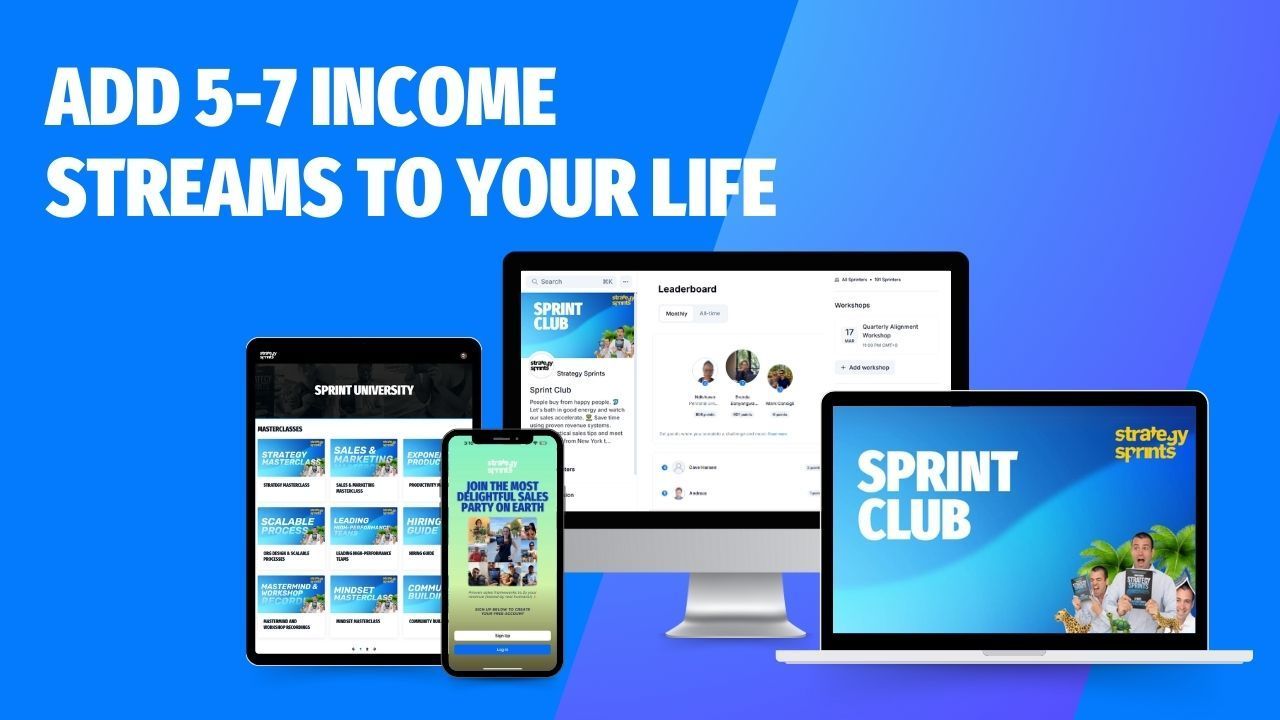
Grab the free tools and join the Sprint Club: https://www.strategysprints.com
Ready to accelerate now? Book a Discovery Call: https://calendly.com/strategysprint/discovery-call
Happy hunting.
Simon & The Sprinters 🐬⚡️🐆
Lead your next deal, first call to signature. 🌴
The 36 Sales Gaps Checklist: 36 places a deal dies, and the fix for each. Free, one page.
Free. You get the checklist, then more sales tools like it by email from Strategy Sprints. Leave in one click, any time.